Women Who Changed History: Mental Health
Celebrating Women’s History Month
When we talk about the history of mental health, the spotlight often lands on a handful of big (usually male) names. But behind (and often ahead of) them were women who fundamentally shaped how we understand the mind, emotions, and healing.
In honor of Women’s History Month, let’s take a moment to highlight some of the women who pushed boundaries, challenged norms, and made mental health care more humane, accessible, and effective.
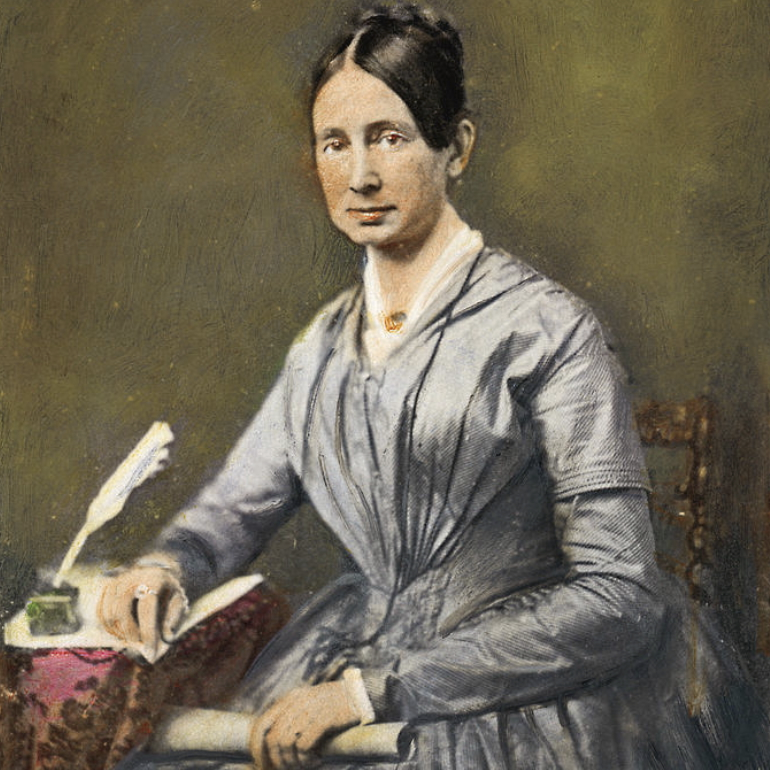
Back in the 1800s, mental health care was… not great.
Think overcrowded asylums and very little understanding of what patients actually needed. Enter Dorothea Dix, who basically said, “We can do better than this.” She spent years investigating conditions in mental institutions and advocating for reform.
Because of her work, new facilities were built and standards of care improved dramatically. She wasn’t a psychologist in the modern sense, but her impact on mental health systems is impossible to overstate.
Image of Dorothea Dox: Fine Art America
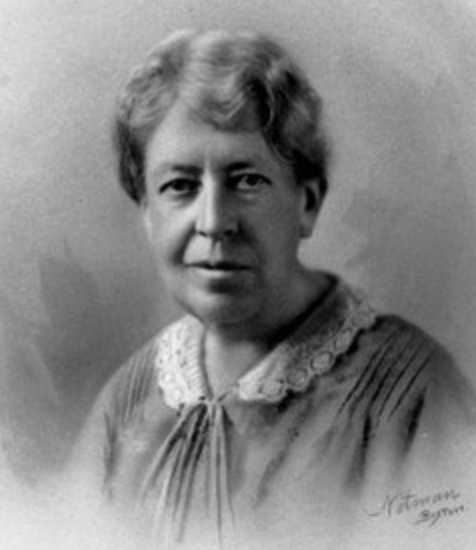
At a time when women weren’t even allowed to earn official degrees in psychology, Mary Whiton Calkins completed all the requirements for a PhD at Harvard and was denied the degree because she was a woman.
Still, she went on to become a pioneering psychologist, contributing to memory research and even serving as the first female president of the American Psychological Association. Not bad for someone the system tried to sideline.
Image of Mary Whiton Calkins: Wikipedia
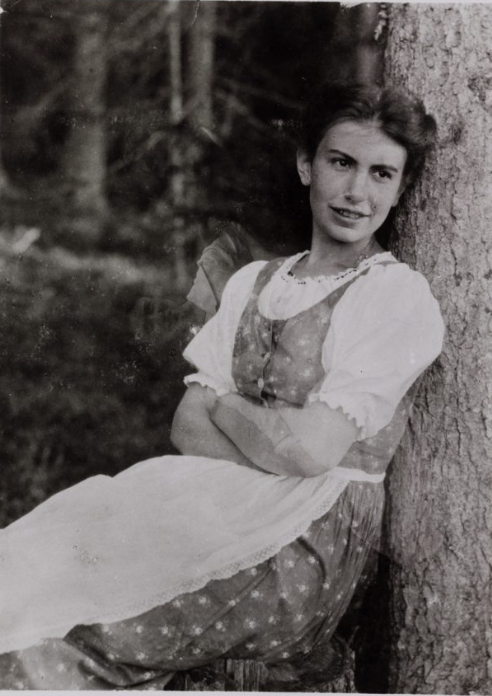
The early days of psychoanalysis weren’t just shaped by Freud, women played a huge role in evolving those ideas. Anna Freud, his daughter, expanded psychoanalytic theory into child psychology and developed foundational concepts about defense mechanisms.
Meanwhile, Melanie Klein was busy developing her own theories about early childhood development and the unconscious, sometimes directly challenging Freud’s ideas.
Then there’s Karen Horney, who pushed back against the male-centric assumptions of early psychoanalysis. She introduced ideas about social and cultural influences on personality — and called out some of Freud’s theories as, essentially, biased. Iconic behavior.
Image of Anna Freud: Freud Museum of London
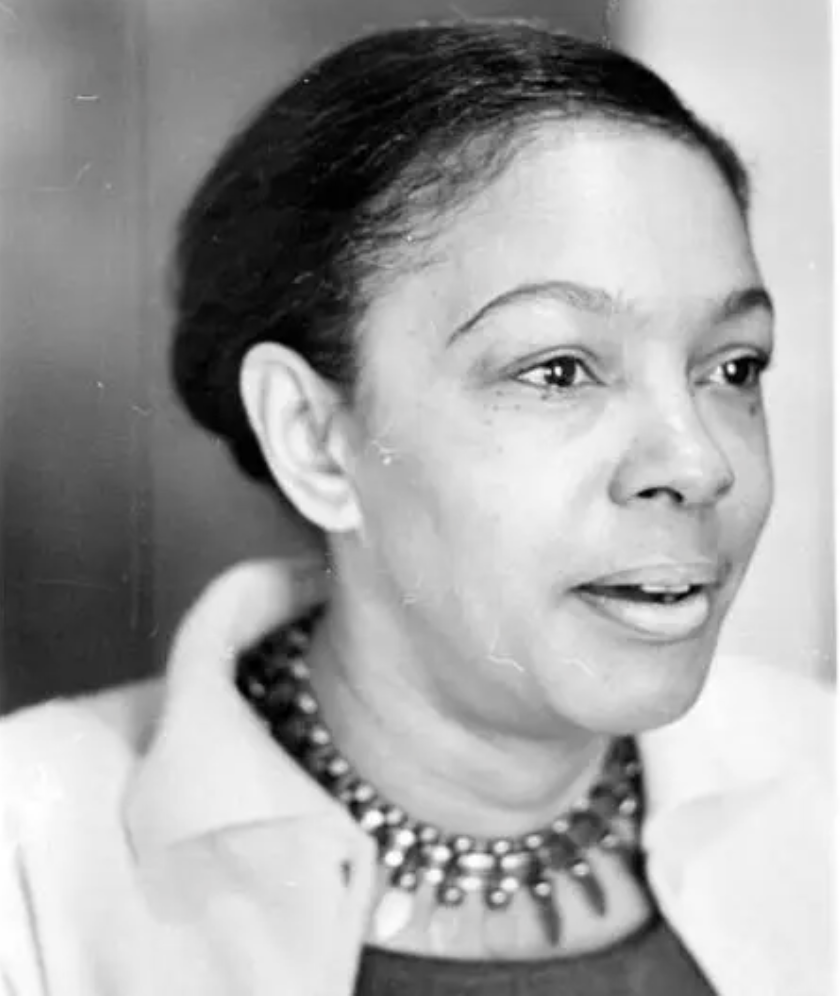
Fast forward to the 20th century, and women were redefining therapy itself. Virginia Satir helped pioneer family therapy, emphasizing communication, relationships, and emotional honesty. Her work shifted the focus from individuals in isolation to the systems they’re part of — something that feels very intuitive today but was groundbreaking at the time.
Mamie Phipps Clark, along with her husband Kenneth Clark, conducted research on the psychological effects of segregation on Black children. Her work was instrumental in the Brown v. Board of Education decision, showing how deeply mental health is connected to social justice.
Image of Mamie Phipps Clark: The British Psychological Society
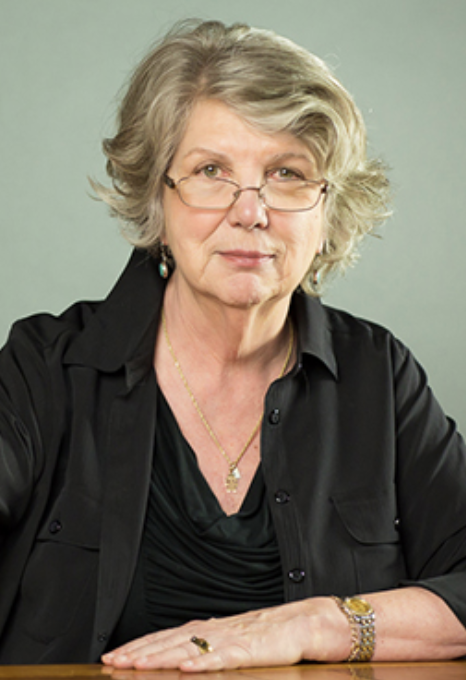
In more recent decades, women have continued to shape the field in powerful ways.
Marsha Linehan, the creator of Dialectical Behavior Therapy (DBT), transformed treatment for people with borderline personality disorder and those struggling with intense emotional dysregulation. DBT is now used worldwide and has helped countless people build safer, more stable lives.
And while she’s not a traditional clinician, Brené Brown has brought conversations about vulnerability, shame, and emotional resilience into the mainstream. Her work has made mental health concepts more accessible — and a lot less stigmatized.
Image of Marsh Linehan: The University of Washington
In Conclusion
Mental health care didn’t evolve in a vacuum. It changed because people, many of them women, questioned the status quo and insisted on something better.
They challenged harmful systems.
They expanded who gets to be heard.
They redefined what healing even looks like.
And we’re still building on their work today.
So this Women’s History Month, it’s worth remembering: the way we talk about mental health, the therapies we use, and the compassion we try to practice didn’t just happen. Women fought to make it that way.