
Our Blog
-
June 2026
- Jun 9, 2026 Ketamine Assisted Psychotherapy
-
May 2026
- May 13, 2026 Mental Health Awareness Week
- May 6, 2026 Women's Health Month: Get Back to Basics
-
April 2026
- Apr 16, 2026 Do you NEED to feel that way?
-
March 2026
- Mar 25, 2026 Women Who Changed History: Mental Health
- January 2026
-
December 2025
- Dec 22, 2025 Finding Nostalgia and Joy During the Holiday Season
- Dec 19, 2025 How to Avoid Holiday Stress and Stay Sober This Season
-
November 2025
- Nov 13, 2025 How to Support a Loved One with an Eating Disorder During Thanksgiving
- Nov 6, 2025 Going Home for the Holidays
-
October 2025
- Oct 15, 2025 OCD Awareness Month
-
September 2025
- Sep 16, 2025 Preparing for S.A.D
-
August 2025
- Aug 27, 2025 Dealing with Change
- Aug 13, 2025 Can AI Replace Your Therapist?
- Aug 6, 2025 Gearing Up for Another School Year
-
July 2025
- Jul 29, 2025 What Do We Have to Offer?
- Jul 22, 2025 Self Care? Am I Doing it Right?
-
June 2025
- Jun 25, 2025 PTSD Awareness Month
- Jun 18, 2025 Men's Mental Health Month
- Jun 11, 2025 Celebrating Pride Month in Rural New Hampshire: a How-To Guide
-
May 2025
- May 14, 2025 Maternal Mental Health
- May 7, 2025 Diet Culture: Why Trendy Diets Can Be Harmful to Your Health
- April 2025
-
March 2025
- Mar 26, 2025 How Mental Health Can Change During the Spring
- Mar 19, 2025 Self-Harm Awareness Month: Understanding, Supporting, and Breaking the Stigma
- Mar 12, 2025 How To Get the Best Night's Sleep
- February 2025
- January 2025
-
December 2024
- Dec 18, 2024 Boundary Setting: During the Holidays
- Dec 9, 2024 Holiday Stress: How to Avoid Overspending
- Dec 4, 2024 How Laughter Can Improve Your Physical and Mental Health
-
November 2024
- Nov 26, 2024 Ask a Therapist: How to Survive the Holidays while in ED Recovery
- Nov 20, 2024 Thanksgiving Survival Guide
- Nov 18, 2024 5 Tips to Mentally Prepare for Food Holidays While in Recovery
- October 2024
-
September 2024
- Sep 25, 2024 Embracing the Dark: Understanding S.A.D and the Power of Hygge
- Sep 18, 2024 The Science of Happiness: Impact on Mental Health and Managing Digital Habits
- Sep 12, 2024 Suicide Prevention: Statistics, Resources, and How to Make a Difference
- Sep 4, 2024 Understanding Burnout: Causes, Symptoms, and Strategies for Recovery
- August 2024
- July 2024
- June 2024
-
May 2024
- May 22, 2024 The Benefits of Meditation
- May 15, 2024 Empowering Women: Advocating for Your Right to Healthcare
- May 8, 2024 The Effects of Diet Culture
-
April 2024
- Apr 17, 2024 How Therapists Destress: Tips and Strategies for Self-Care
- Apr 10, 2024 The Benefits of Walking
-
March 2024
- Mar 29, 2024 Interview With a Ketamine Patient
- Mar 22, 2024 Healthy “Mocktail” Recipes
- Mar 15, 2024 Understanding Sleep Apnea and How to Improve Your Rest
- Mar 1, 2024 Social Media: Understanding Its Impact on Self-Esteem
-
February 2024
- Feb 14, 2024 Attachment Styles and Relationships
-
January 2024
- Jan 26, 2024 The Vital Role of Sunlight Exposure in Human Health
- Jan 18, 2024 The Importance of Delayed Caffeine Intake
- Jan 11, 2024 The Pennebaker Protocol
- Jan 4, 2024 The Surprising Benefits of Sodium: More Than Just Salt
-
December 2023
- Dec 23, 2023 11 Warning Signs of an Eating Disorder
- Dec 21, 2023 Effective Communication Techniques for Building Stronger Family Bonds
- Dec 20, 2023 7 Reasons to Digital Detox for the Holidays
-
November 2023
- Nov 30, 2023 The Silent Struggle: The Impact of Eating Disorders on Mental Health
- Nov 22, 2023 8 Ways Families Can Support A Loved One With An Eating Disorder During The Holidays
- Nov 15, 2023 Managing an Eating Disorder During Thanksgiving
- Nov 14, 2023 A Guide to Understanding Eating Disorders
- Nov 2, 2023 The Impact of Negative Online Content on Mental Health
-
October 2023
- Oct 30, 2023 5 Benefits of B12 Shots
- Oct 18, 2023 What is NAD+ and how can it benefit your overall health
- Oct 11, 2023 9 Benefits of Seeking Help For Mental Health
- Oct 9, 2023 Mental Illness Awareness Week
-
September 2023
- Sep 22, 2023 What is Functional Medicine?
- Sep 20, 2023 5 Action Steps for Helping Someone in Emotional Pain
-
August 2023
- Aug 31, 2023 7 helpful tips to address back-to-school anxiety
- Aug 22, 2023 Recognizing the Signs: When to Seek Help for Your Mental Health
- Aug 9, 2023 7 Reasons why couples counseling could be right for you
- Aug 4, 2023 The Important Role Grief Plays In Our Lives
-
July 2023
- Jul 27, 2023 Top 3 Ways To Stay Hydrated
- Jul 24, 2023 45 Self-Care Ideas
- Jul 20, 2023 What is Ketamine Assisted Psychotherapy?
- Jul 13, 2023 What is a Stellate Ganglion Block
- Jul 5, 2023 5 Reasons Why Summer Is the Best Time For Adolescents and Teens To Seek Help
-
June 2023
- Jun 28, 2023 First Responders and PTSD
- Jun 19, 2023 Misconceptions about PTSD
- Jun 14, 2023 Men's Mental Health Statistics
- Jun 5, 2023 Men's Health Month: Therapy for Men
-
May 2023
- May 30, 2023 Mental Health Statistics
- May 25, 2023 5 Ways To Improve Your Mental Health
- May 22, 2023 The Stigma of Mental Health
- May 10, 2023 Parenting & Mental Health
-
April 2023
- Apr 27, 2023 The Impact of Stress
- Apr 20, 2023 How to help an alcoholic
- Apr 13, 2023 Understanding Sexual Assault
- Apr 6, 2023 Signs & Symptoms of Alcoholism
-
March 2023
- Mar 28, 2023 Symptoms of self-harm
- Mar 22, 2023 Supporting Someone With Mental Health Illness
- Mar 17, 2023 Good Sleep Starts The Moment You Wake Up
- Mar 16, 2023 Cutting-Edge Treatment for PTSD, Depression, Anxiety, and Trauma
- Mar 14, 2023 Social Media & Your Sleep Health
-
February 2023
- Feb 21, 2023 The Power of Affirmations
- Feb 13, 2023 Our New Location
- Feb 8, 2023 5 Steps To Build Confidence & Self Worth
- Feb 2, 2023 February is International Boost Self-Esteem Month
-
January 2023
- Jan 17, 2023 A New Growing Roots...
- Jan 9, 2023 Creating a habit
- Jan 4, 2023 New Location Progress
-
December 2022
- Dec 30, 2022 New Satellite Location
- Dec 29, 2022 Pre-New Year cleansing tips
- Dec 16, 2022 Stress Management at Woodstock PD
- Dec 9, 2022 Are you constantly getting sick?
- Dec 7, 2022 Disordered eating Q&A from New Hampton School students
- Dec 2, 2022 We're moving!
-
November 2022
- Nov 21, 2022 Integrative Medicine | Your First Appointment
-
October 2022
- Oct 25, 2022 Ketamine Assisted Psychotherapy Client Testimonial
- Oct 19, 2022 Holderness Central School Presentation
Gearing Up for Another School Year
Written by Halsey Redman
We know… you don’t want to think about this yet. However, the back-to-school season is impending. In our opinion, it’s better to be prepared, than to avoid it entirely! So, here’s what you might want to think about.

Switching your Sleep Schedule
Summer can send our routines out of wack. Late, fun-filled nights with friends and family members. Whether it’s you or your kiddo, get into the habit of going to bed a bit earlier before the first week of school. The best way to change your sleep schedule is slowly. Start by getting into bed just 30mins earlier than usual. Avoid eating too close to bedtime, try not to use screens an hour before bed, and keep the bedroom cool and dark. This should lead to a healthier sleep and a clearer mind the next morning! You can also take supplements like magnesium or melatonin to promote sleepiness.
Make a Plan with your Therapist
If the thought of school is causing lots of stress or anxiety - bring it up with a therapist. Together you can make a game plan to tackle your fears before the first day hits. If your child is the one attending classes this fall, talk with them about how they’re feeling. Don’t dismiss their feelings by saying, “Don’t worry - it’ll be fine.” Validate their thoughts and help them to prepare for inevitable anxious situations. Having the “perfect” first day is pretty much impossible - teach them to roll with the punches and adjust to have the best day possible.
Do a Test Run
Prepare the best you can. Anxiety thrives in situations of uncertainty. You can do a test run for the first day of school. If there’s an open house or a community event offered before the start of school - make sure to attend. You might meet some teachers or other students ahead of time.
If there aren’t any events you can go to, you can always prepare for the first day by getting up and ready early, having breakfast, and leaving the house at the appropriate time for classes to begin. Plan out your route, perfect your morning routine (as much as possible - remember perfection isn’t real), and feel confident that you’ll nail it when the real time comes.
Remember to have Fun
Summer isn’t quite over yet! Make fun plans that you’re looking forward to - and give yourself or your child something to talk about with classmates. We wish you the best of luck with the upcoming school year. We have a feeling this will be one of the best yet.

What Do We Have to Offer?
Growing Roots Integrative Health and Wellness has been a constant in the Plymouth, NH community for years! Maybe you passed by our old office- on Main Street, right above Chase Street Market? We moved just a bit down the road to Warren Street a little over a year ago- into our own beautiful building!
We have grown so much over the past decade. Now we have a dedication (and AMAZING) staff of 17 that can assist with a variety of mental and physical health concerns. We are here for YOU.
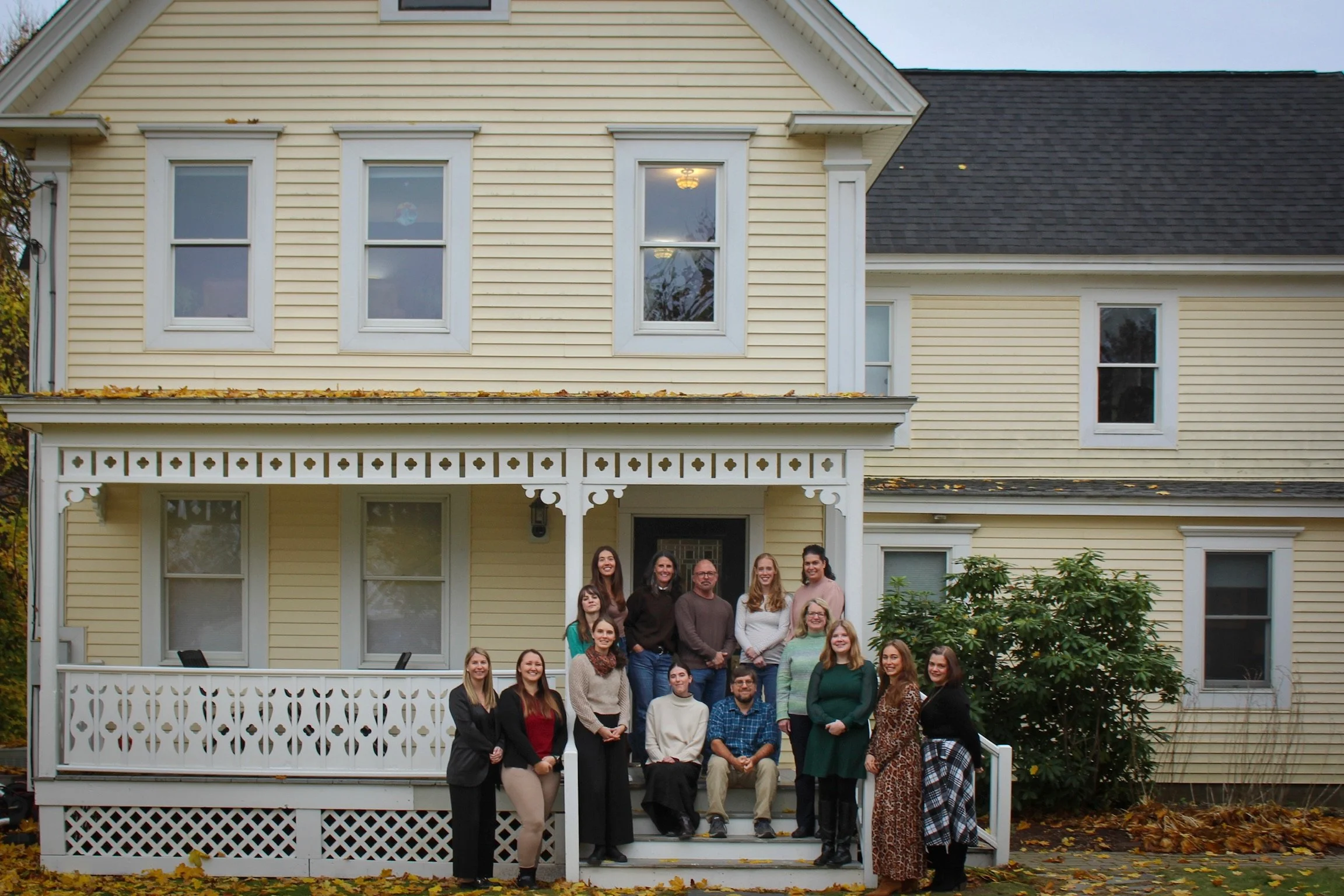
Mental health issues can affect anyone, at any age. We understand the importance of finding the right therapist to help navigate and manage your unique and individual needs. Together, we will build a strong foundation of healthy communication and coping methods, aimed to strengthen your ability to manage the difficult internal reactions related to your life experiences. We look at how these experiences have shaped your understanding of yourself and the world and how they may contribute to other problems you would like to address.
We offer: Individual Counseling, Couples Counseling, Psychological Assessment, Ketamine Assisted Psychotherapy, Medication Management Services, and we hope to bring back NAD+ and Vitamin IV Therapy soon!
A number of our clinicians are accepting new clients. Think one of them might be a good fit for you?
Email us at office@growingrootsllc.com to book your first appointment!
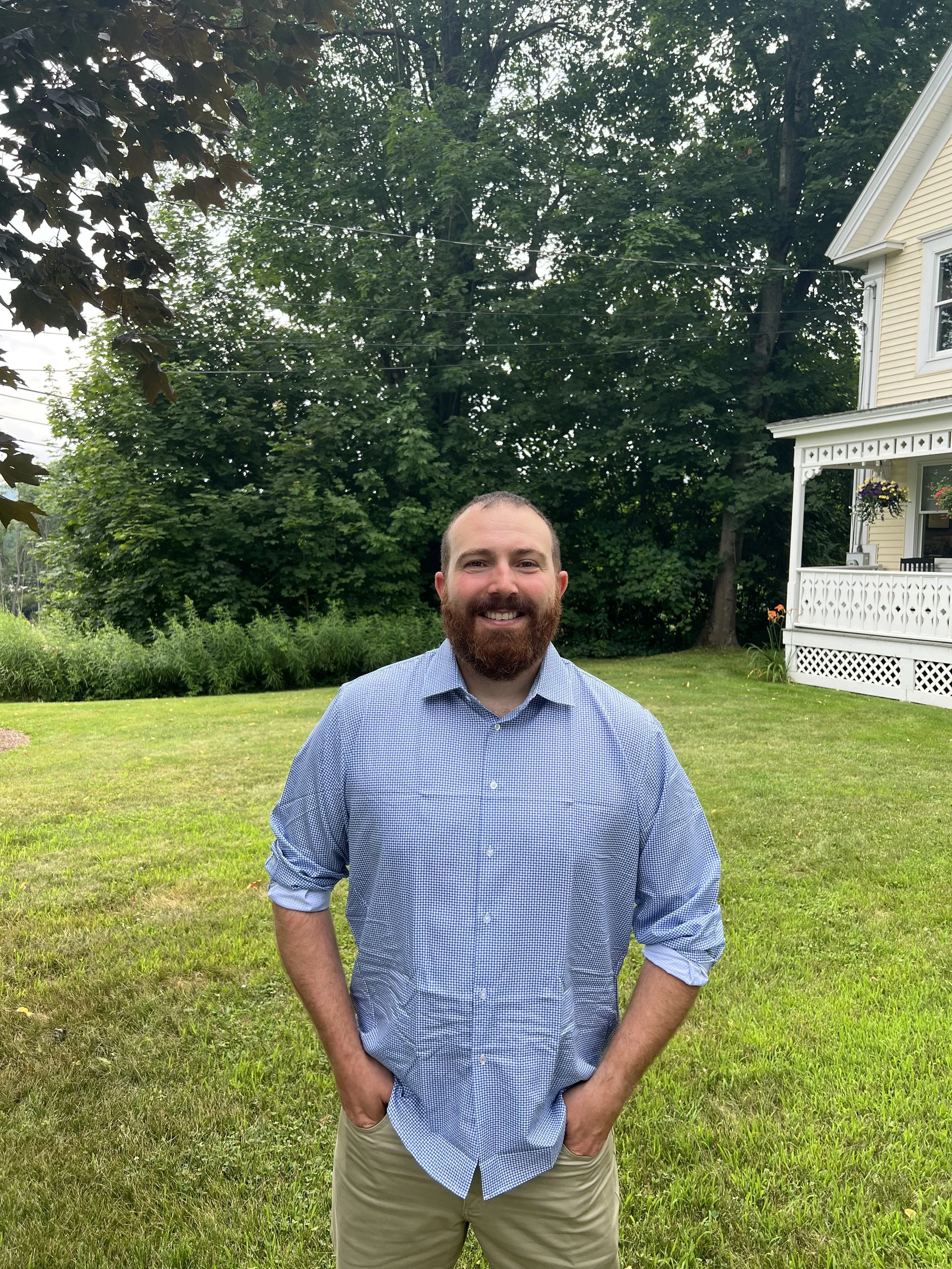
Joe Acampora, MA, CMHC
Staff Therapist
Joe is a graduate of Adams State University, in Colorado, where he received a Master of Arts in Clinical Mental Health Counseling. He completed his graduate internships in non-profit roles focusing on grief and loss, youth and adolescent counseling, and addiction counseling. In the therapy room, Joe emphasizes building strong relationships with his clients and the importance of bringing his genuine self to the session, and values approaches built for the human sitting across from him. He typically employs an eclectic approach, drawing on techniques from psychodynamic, CBT/DBT, solution-focused, and person-centered therapy.
Joe completed his bachelor of science at the University of Vermont, and formerly worked in conservation biology, then working as a middle and high school science teacher before transitioning into clinical mental health counseling. When not in the therapy room, Joe enjoys hiking with his dog, auto racing, and planning for his next hunting season.
Specializations
Grief and loss, depression and anxiety, navigating relationships, career counseling, addiction/substance use, youth and adolescent counseling.

Deidre Rideout, MS, LCMHC, PMH-C
Staff Therapist | Licensed Clinical Mental Health Counselor | Certified Perinatal Mental Health Counselor
Deidre Rideout earned her Master of Science degree in Clinical Mental Health Counseling with her certificate in Addictions Treatment in 2021 from Plymouth State University. Prior to that, Deidre received a Bachelor of Science degree in Elementary Education with a K-8 teaching certification and a minor in Mental Health Studies from Plymouth State University.
Before entering the therapy world, Deidre worked as a teacher for seven years and has experience providing individualized support to children. Due to her previous work in private practice and at a community mental health center, Deidre has experience working with all ages in all walks of life, including people in crisis.
Deidre is perinatal mental health certified, as well as a trained ketamine assisted psychotherapy (KAP) provider. Deidre is passionate about working with adolescents and adults, including adults navigating motherhood and parenthood. Deidre provides person-centered care in an inclusive and supportive environment, and uses an eclectic clinical approach in therapy that utilizes skills from Cognitive Behavioral Therapy, Acceptance and Commitment Therapy, and Dialectical Behavioral Therapy. Deidre believes in meeting clients where they are at to help them develop lifelong strategies they can use to promote change in their lives. Deidre believes in honesty and openness in therapy, and strives to create a space where people feel safe, accepted, comfortable to confront anything.
Specializations
Perinatal mood and anxiety disorders, anxiety disorders, depression, PTSD, complex trauma, emotion regulation, self-esteem, & identity

Kirsten Nataren Crus, LCMHC
Staff Therapist | Licensed Clinical Mental Health Counselor
Kirsten earned a BA from Emory University in African Studies and Psychology and an MA in counseling from Dallas Theological Seminary. Prior to joining Growing Roots, Kirsten worked with adults and adolescents at an eating disorder treatment center. Due to her previous work in private practice, she has experience working with couples, Spanish speakers, and clients struggling with anxiety and depression.
As a therapist, Kirsten believes in creating a safe, accepting, and collaborative relationship to give people the foundation to grow and change. She believes in accepting people where they are, working with them to discover where they want to be, and encouraging them to make changes as they are ready. To her, it is important to talk openly and honestly about the client-therapist relationship and address any concerns the client may have. It takes a great deal of courage to be willing to reach out for help, and she is honored to be part of your journey.
Kirsten cree en la creación de una relación segura, de aceptación y de colaboración para dar a las personas la base para crecer y cambiar. Trabaja con clientes que experimentan ansiedad, depresión, trastornos de alimentación, y problemas con su pareja.
Specializations
Anxiety, Depression, Eating disorders, Relationship distress and couples counseling, Kirsten habla Español.

Bryan Randolph, LICSW
Director of Training and Development, Staff Therapist
As Licensed Independent Clinical Social Worker (LICSW), Bryan holds a Master of Social Work (MSW) and a Master of Science (MS) in Kinesiology, focusing on Adventure Therapy. With over 10 years of clinical experience, he has been involved in the behavioral health field since 2007.
He spent five years as a primary clinician at Mountain Valley Treatment Center, a leading residential facility specializing in Anxiety, Depression, PTSD, and Obsessive-Compulsive Disorder. His extensive training includes Cognitive Behavioral Therapy, Acceptance and Commitment Therapy, and Exposure and Response Prevention therapy. Specializing in Anxiety and OCD, he particularly addresses issues like academic perfectionism and social phobia.
Experienced in working with First Responders, including Fire Service, Law Enforcement Officers, and EMS personnel, he has completed training in Critical Incident Stress Management to meet the unique needs of these professionals.
In addition, he is trained in Accelerated Resolution Therapy (ART), which can address single incidents, complex traumatic events, and generalized conditions such as anxiety, depression, OCD, ADHD, and disordered eating. A distinctive feature of ART is that much of the processing is internal, allowing participants the option to discuss their issues.
Currently, he sees clients across the lifespan, including children ages 10 and up, teens, and adults. He collaborates with parents and school staff when appropriate, employing a systems approach to address issues holistically in both private and public school settings.
Passionate about working with a diverse range of clients, he feels particularly drawn to those who may be uncertain or resistant to therapy. Committed to providing individualized and collaborative treatment, he strongly believes in avoiding a "one size fits all" approach.
Specializations
Anxiety, Depression, OCD, PTSD, ADHD, Sex/Sexuality, LGBTQIA+, First Responders, Issues related to aging/ change in life status.

Maggie Barton, MSW
Staff Therapist | Pre-Licensed Social Worker
Maggie recently graduated from University of New Hampshire with a Master's in Social Work and received her undergraduate degree in Sociology from Bates College in 2020. Before joining the Growing Roots team, Maggie worked at The White Mountain School, a college preparatory school in Northern New Hampshire. There she held a variety of roles including: Wellness Coordinator, Counselor, Dorm Head, and Math Teacher.
Maggie enjoys working with children, adolescents, and young adults. She utilizes a client-lead, strength-based approach in working with clients to identify their goals and collaborate in building their toolkit to reach them. Her clinical approach incorporates several evidence-based approaches, including Cognitive Behavioral Therapy and Acceptance and Commitment Therapy. Maggie believes in the value of understanding yourself and what works for you as you endure life’s challenges and appreciate its joys.
Specializations
Children and adolescents, emotional regulation, anxiety, and ADHD.
We are so proud to be a part of the Plymouth community. Thank you so much for your years of dedication and support. We couldn’t be here without you.
Self Care? Am I Doing it Right?
Written by Halsey Redman
In the age of mental health awareness, “self-care” has become a popular buzzword. We're constantly reminded to rest, take bubble baths, set boundaries, and treat ourselves with compassion and that’s a good thing. But somewhere along the way, a subtle confusion has crept in. Sometimes what we call “self-care” is actually avoidance in disguise.
So how do we tell the difference?

What Is Self-Care?
True self-care isn’t always glamorous. Sure, it can look like candles and a Netflix night, but more often than not, it’s about making choices that serve your long-term well-being.
Real self-care might look like:
Going to therapy even when you’d rather not talk about it.
Saying no to that third drink because you know how it’ll make you feel tomorrow.
Turning off your phone and going to bed early.
Meal prepping for the week even though takeout would be easier.
Facing uncomfortable conversations rather than letting resentment grow.
Self-care is about restoring yourself, not numbing yourself.
What Is Avoidance?
Avoidance is about escape. It’s doing what feels good in the moment to avoid what feels difficult. It often gives short-term relief but leads to long-term discomfort or stagnation.
Avoidance might look like:
Scrolling for hours to ignore anxiety.
Telling yourself you need a “mental health day” every time stress builds up, without ever addressing the cause.
Binge-watching shows instead of studying or working through a problem.
Ghosting people to avoid confrontation, then feeling isolated later.
Labeling everything as “toxic” to avoid uncomfortable growth.
Avoidance whispers, “You don’t have to deal with this right now.” And sometimes, that's okay. But if it becomes a pattern, you may find yourself stuck.
Intent and Impact
One way to tell the difference is to ask yourself these two questions:
What is my intention?
Am I doing this to take care of myself, or to avoid something hard?What is the impact over time?
Does this action help me feel more capable, rested, and grounded-or more disconnected, stressed, or stuck?
Self-care often requires effort, while avoidance often offers instant relief. But the long game is where the distinction becomes clear: self-care helps you grow; avoidance keeps you running.
You Don’t Have to Get It Perfect
Sometimes you need a night off. Sometimes avoiding something is a form of self-preservation. This isn’t about judgment- it’s about honesty. Self-compassion means acknowledging when you’re overwhelmed without pretending that escape is always healing.
You’re allowed to rest, but you’re also capable of rising.
